
If you are comparing modern dropshipping platforms in 2026, the three names that appear most often are spocket, zendrop, and AutoDS. Each platform has a different strength profile: supplier marketplace depth, automation workflow, and fulfillment strategy. This guide gives you a practical side-by-side comparison so you can choose the right stack for your store stage.

Quick snapshot: spocket vs zendrop vs AutoDS
| Platform | Best For | Core Strength | Main Tradeoff |
|---|---|---|---|
| Spocket | Curated catalog + supplier communication | Strong catalog discovery and branded store workflow | Plan pricing can rise as store complexity grows |
| Zendrop | Automation + fulfillment simplicity | Operational convenience and guided scaling tools | Feature access is plan-dependent |
| AutoDS | Workflow-heavy automation users | Broad automation ecosystem and add-ons | Add-on stack can increase monthly cost |
What makes spocket stand out in 2026?
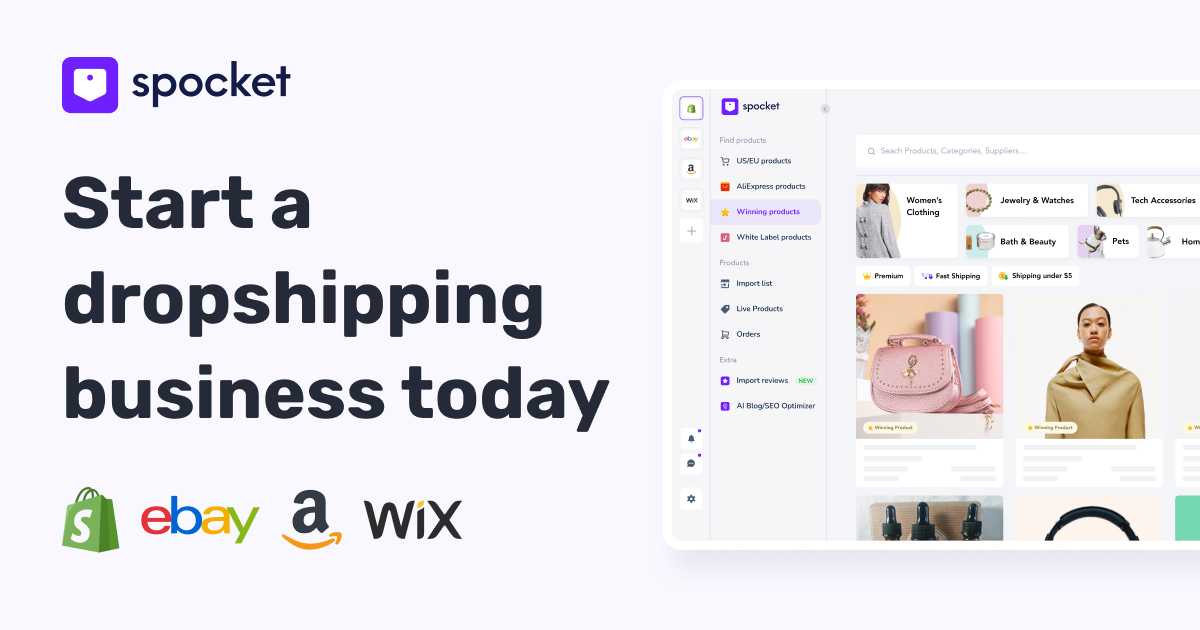
spocket is often selected by store owners who want supplier variety plus a marketplace-style product workflow. It is especially useful when you want to test multiple product directions quickly while keeping a structured product management flow. For users moving from “manual product hunting” to a more process-driven model, spocket can shorten execution time.
Where zendrop has an edge
zendrop is typically favored by operators who want fulfillment and order flow to feel more streamlined. In many cases, zendrop becomes attractive when a store moves from early testing into repetitive order volume and needs better process consistency. For many teams, zendrop’s strength is operational simplicity over complex setup.
How AutoDS compares in daily operations
AutoDS is usually evaluated as an automation-focused control layer. If your workflow relies on systemized listing updates, repetitive task handling, and broader automation logic, AutoDS can be a strong fit. In practice, many merchants compare AutoDS directly against zendrop when deciding how much automation control they want versus managed convenience.
Pricing and value logic (practical view)
Do not compare plans only by headline monthly price. For a real decision, evaluate value by: product testing speed, fulfillment reliability, automation depth, and support responsiveness. A higher monthly plan can still be cheaper in total if it reduces manual errors, fulfillment friction, and rework time.
Who should choose which platform?
- Choose spocket if product discovery and supplier variety are your top priorities.
- Choose zendrop if you want smoother fulfillment operations and easier scaling flow.
- Choose AutoDS if you want deeper automation controls and a process-heavy operations stack.
Coupon CTA: save before you subscribe
If you are currently testing spocket, check verified offers first: View Spocket coupon page.
If your shortlist includes zendrop, compare active code options here: View Zendrop coupon page.
Best workflow: shortlist your platform first, then apply available coupon offers before annual billing.
FAQ: spocket and zendrop comparison
Is spocket better than zendrop for beginners? It depends on your workflow: beginners focused on product browsing often prefer spocket, while beginners focused on operational simplicity may lean zendrop.
Can zendrop and AutoDS both scale? Yes. They scale differently: zendrop emphasizes fulfillment simplicity, while AutoDS emphasizes automation control layers.
Should I use coupons before trial-to-paid transition? Yes. It is usually the best timing to reduce first-cycle cost and test retention economics.
Primary source references
Final verdict
For most stores, there is no universal winner. The best choice comes down to your growth stage and operating model. If your primary comparison is spocket versus zendrop, map your decision to daily workflow friction first, then apply verified coupon links to optimize cost before committing.
Decision framework: Spocket vs Zendrop vs AutoDS
When comparing spocket, zendrop, and AutoDS, the best method is to score each platform by workflow impact, not by a single feature. Use four practical dimensions: product sourcing speed, fulfillment consistency, automation depth, and support responsiveness.
1) Product sourcing and catalog workflow
spocket often fits teams that prioritize supplier and product discovery flow. If your operation depends on quickly rotating test products, spocket can reduce search friction and improve listing velocity.
2) Fulfillment execution and order stability
zendrop is typically chosen by merchants who value operational consistency. In many stores, zendrop becomes more attractive once order volume is stable and the team wants fewer manual handoffs in fulfillment steps.
3) Automation control and process scaling
AutoDS is usually preferred when merchants want layered automation controls. If your team is building a systemized backend with repeated workflows and rule-based operations, AutoDS can be a strong technical fit.
Practical pricing logic (why sticker price is not enough)
A lower monthly plan does not always mean lower total cost. The real cost includes rework time, failed order handling, and manual operation overhead. If spocket or zendrop reduces operational friction enough, a higher plan can still produce better ROI.
Use-case recommendations by store stage
- Early testing stage: prioritize product testing speed and supplier variety; spocket may fit well.
- Stabilizing stage: prioritize fulfillment reliability and consistent operations; zendrop can be a practical choice.
- Scale systems stage: prioritize deeper automation controls and process orchestration; AutoDS may fit better.
Coupon CTA block for spocket and zendrop
Before switching to paid tiers, check current verified offers:
Cost optimization is strongest when you apply coupon offers during trial-to-paid transition.
Risk checklist before committing to one platform
- Map your current workflow bottleneck (sourcing, fulfillment, or automation).
- Run a 14-day operational test with a fixed product set.
- Track fulfillment exceptions and support response times.
- Calculate total operating cost, not only subscription price.
- Apply coupon offers before annual billing lock-in.
Extended FAQ: spocket and zendrop
Can I start with spocket and later move to zendrop? Yes. Many teams start with catalog-focused testing and later shift toward fulfillment-focused operations.
Is zendrop better than spocket for every store? Not always. It depends on whether your bottleneck is sourcing speed or fulfillment stability.
Does AutoDS replace both spocket and zendrop? Not directly. AutoDS can complement or replace parts of the stack depending on your automation model.
Related reads on CouponPopper
Advanced operator notes for 2026
For high-volume stores, the platform decision should be tied to error-rate control and process repeatability. A platform that lowers exception handling volume often delivers stronger unit economics than a cheaper platform with more manual intervention. This is especially relevant when teams scale ad spend and need predictable order operations.
In practical terms, many teams benchmark spocket and zendrop by measuring “time-to-publish”, “time-to-fulfill”, and “support closure speed”. This data-driven approach prevents subjective platform choices and keeps focus on conversion and retention outcomes.
Related savings resources
<!– DAY4_CP_RELATED_LINKS_20260516 –>
FAQ
How often are Zendrop coupon codes updated?
We refresh deal checks regularly and prioritize currently active offers before checkout.
Why does a coupon code fail at checkout?
Most failures happen from plan exclusions, minimum order conditions, or expired campaign windows.
Should I compare bundle pricing before applying a code?
Yes. Compare final cart totals after bundles and coupon application to confirm real savings.
<!– Zendrop coupon FAQ | DAY4_CP_FAQ_20260516 –>
<!– DAY4_CP_BREADCRUMB_SCHEMA_20260516 –>
<!– DAY4_CP_ARTICLE_SCHEMA_20260516 –>


